Open integration framework for lunar surface systems.
A shared technical baseline for lunar robotics.
As lunar activity expands, teams are building hardware against independent assumptions — reconciled only late in the integration cycle, creating duplicated effort and risk.
LORS provides a neutral pre-integration layer: interface definitions, conformance criteria, and validation tools at the boundaries where incompatibilities most often emerge — mechanical attachment, electrical behavior, data exchange, and safety logic. A small open-source lunar rover is being developed as the reference implementation for testing those interfaces end to end.
Mission at a glance
From spec to lunar surface.
The development path runs from framework definition through environmental qualification, flight model fabrication, and surface operations.
An open initiative with a visible record.
LORS is open to anyone. Phase 1 brought together engineers, founders, and scientists who contributed to the framework and its first interface work.
Interoperability doesn't happen by accident. It requires shared standards, common interfaces, and the discipline to validate before you fly.
Phase 1 Report
Phase 1 was sponsored by MoonDAO
The first research phase established the framework structure, interface domains, and conformance methodology for lunar surface integration standards.
The repository is a live database
Interface definitions, conformance checklists, requirements-to-test traceability, telemetry schemas, and simulation templates — continuously updated as the standard evolves.
View on GitHubThe standard should reflect where integration fails.
Integration failures usually appear at the boundary: mechanical fit, electrical behavior, data exchange, or safety logic. Teams then spend weeks reconciling assumptions that should have been shared from the first design review.
LORS is collecting short engineering interviews with teams working on lunar and planetary surface systems. The conversations focus on concrete integration work, and the findings will shape the interfaces, conformance tests and validation tools in the standard.
Book a 20-min InterviewThe reference implementation, now in creation.
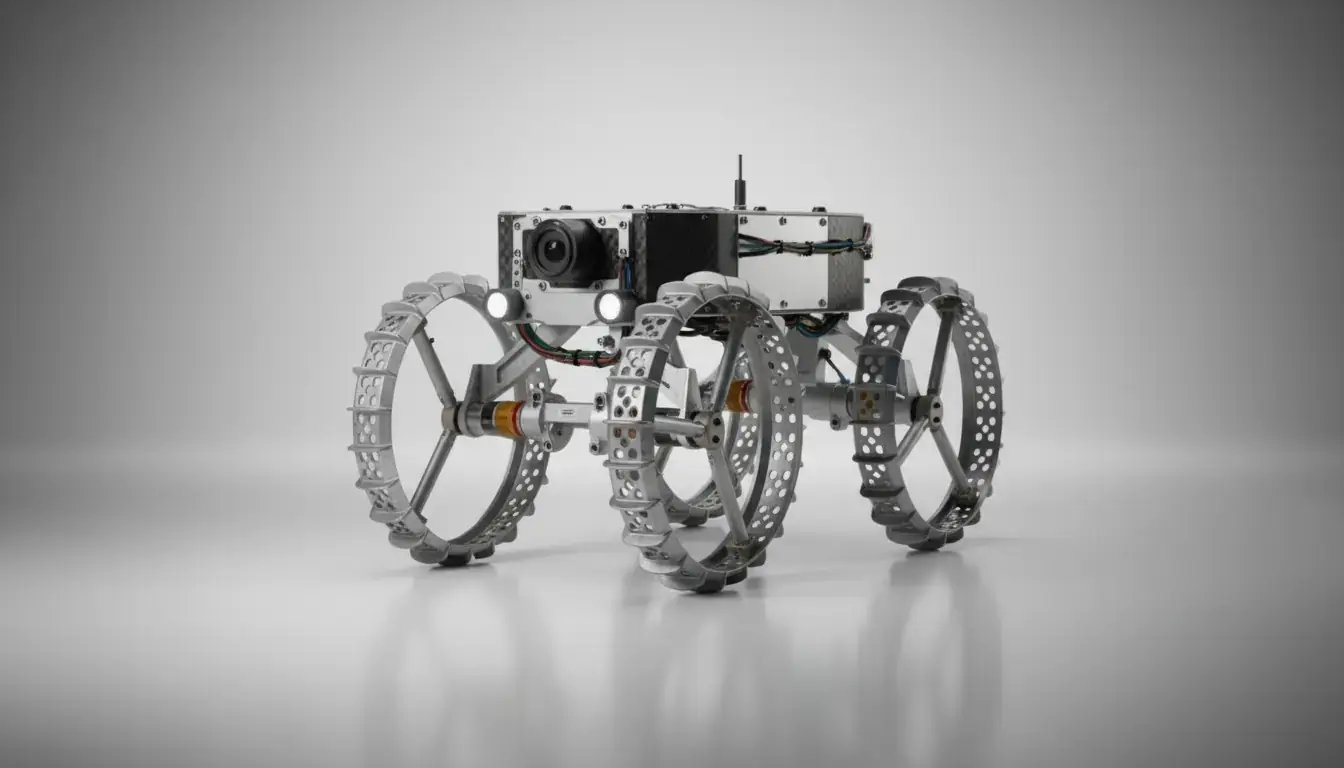
Rucheyok — "small stream" — is the open-source 2 kg lunar rover being built to validate LORS end-to-end. Every design decision, qualification test, and integration log will be published openly.
Reference implementation
The rover will provide a concrete way to test whether an open architecture can be specified, qualified, integrated with a lander, deployed, and operated through the shared framework.
Reusable evidence
The project is intended to publish rover documentation, interface specifications, qualification records, and open datasets for future lunar and planetary work.
For contributors
The build needs engineers across mechanical, software, electrical, and operations disciplines to develop and test the standard.
For mission partners
The work can be supported through agency funding, industry sponsorship, research grants, and aligned philanthropy.
LORS-R1 · Rucheyok · Reference Spec
Budget Allocation