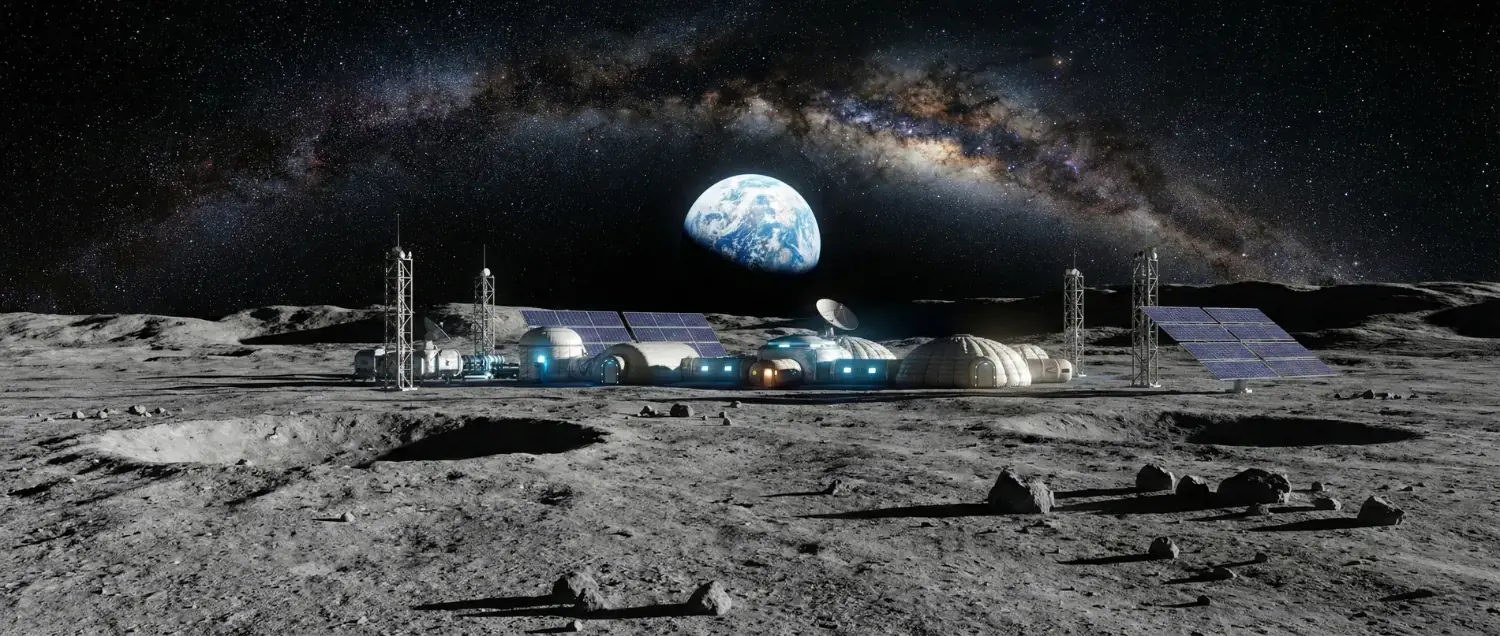
Space Systems Engineering Articles and Use Cases
These articles explain the engineering decisions behind system-level co-simulation. The use cases show how the same approach applies to rover mobility, lander operations, and connected space-robotics studies. Start with the topic closest to the mission decision, then download LunCoSim to explore it in a local model.
Topics
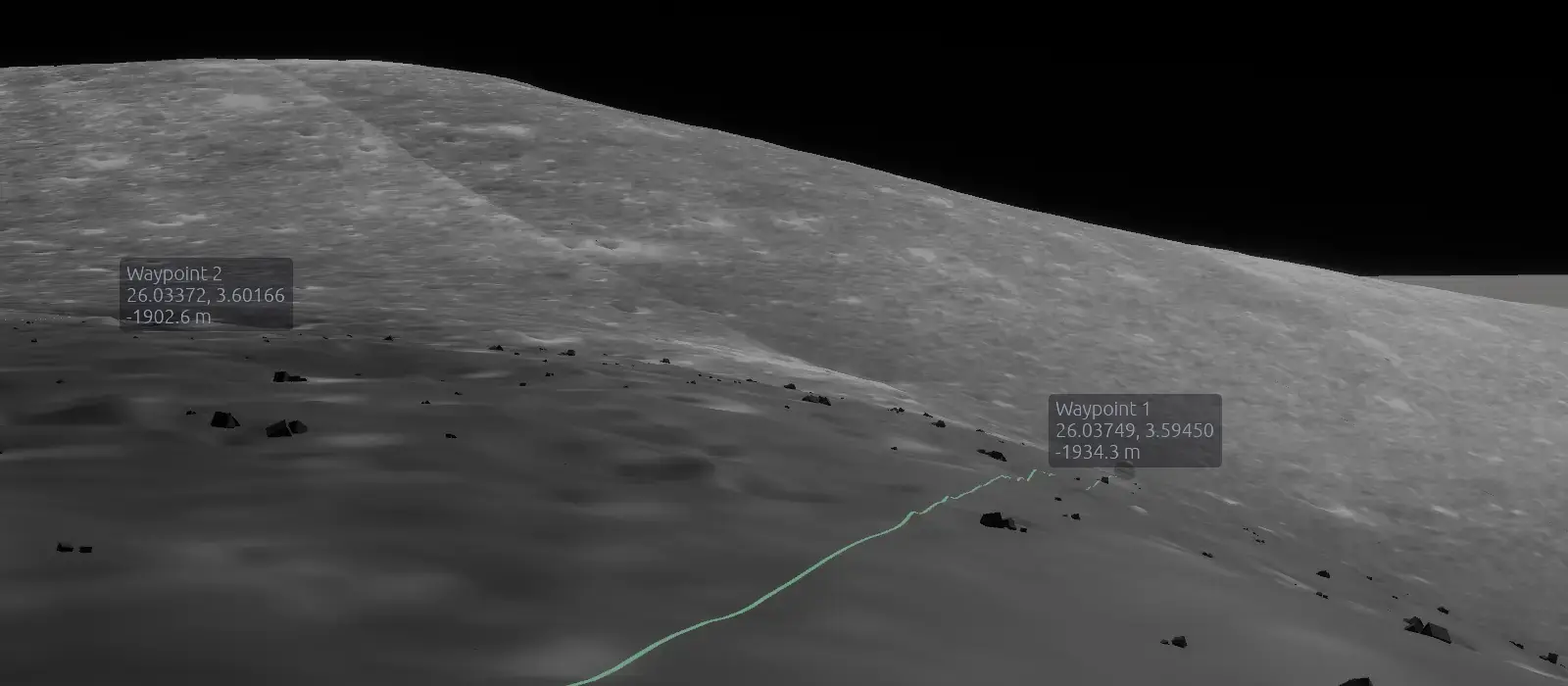
A Lunar Rover Mission Becomes a Systems Question
What a connected mission study reveals when terrain, mobility, power, thermal behavior, communications, and policy run together.
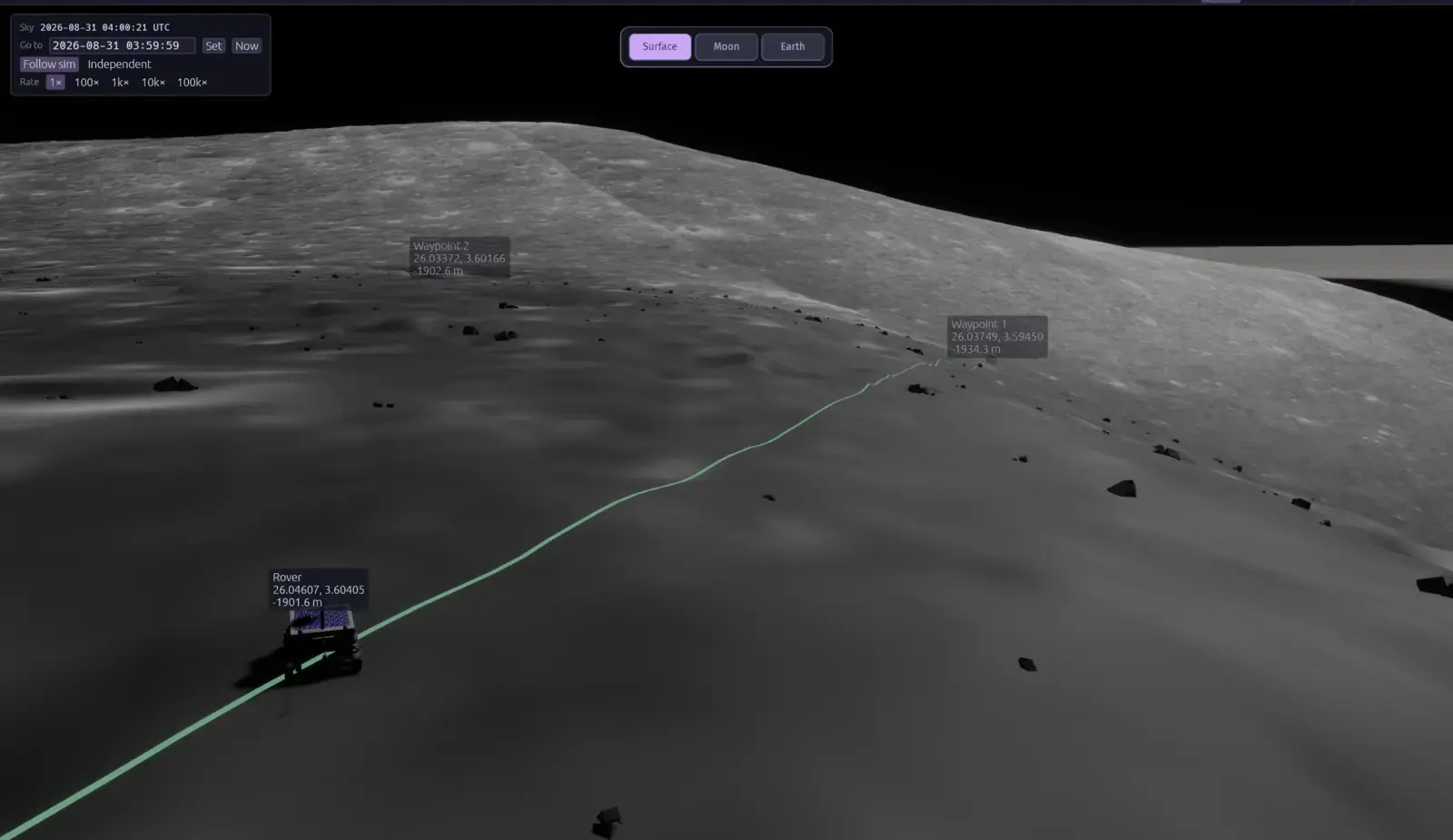
AI-First Multiphysics Simulation for Lunar Missions
Why useful AI simulation starts with a declarative system definition, dynamic Modelica synthesis, and human control.
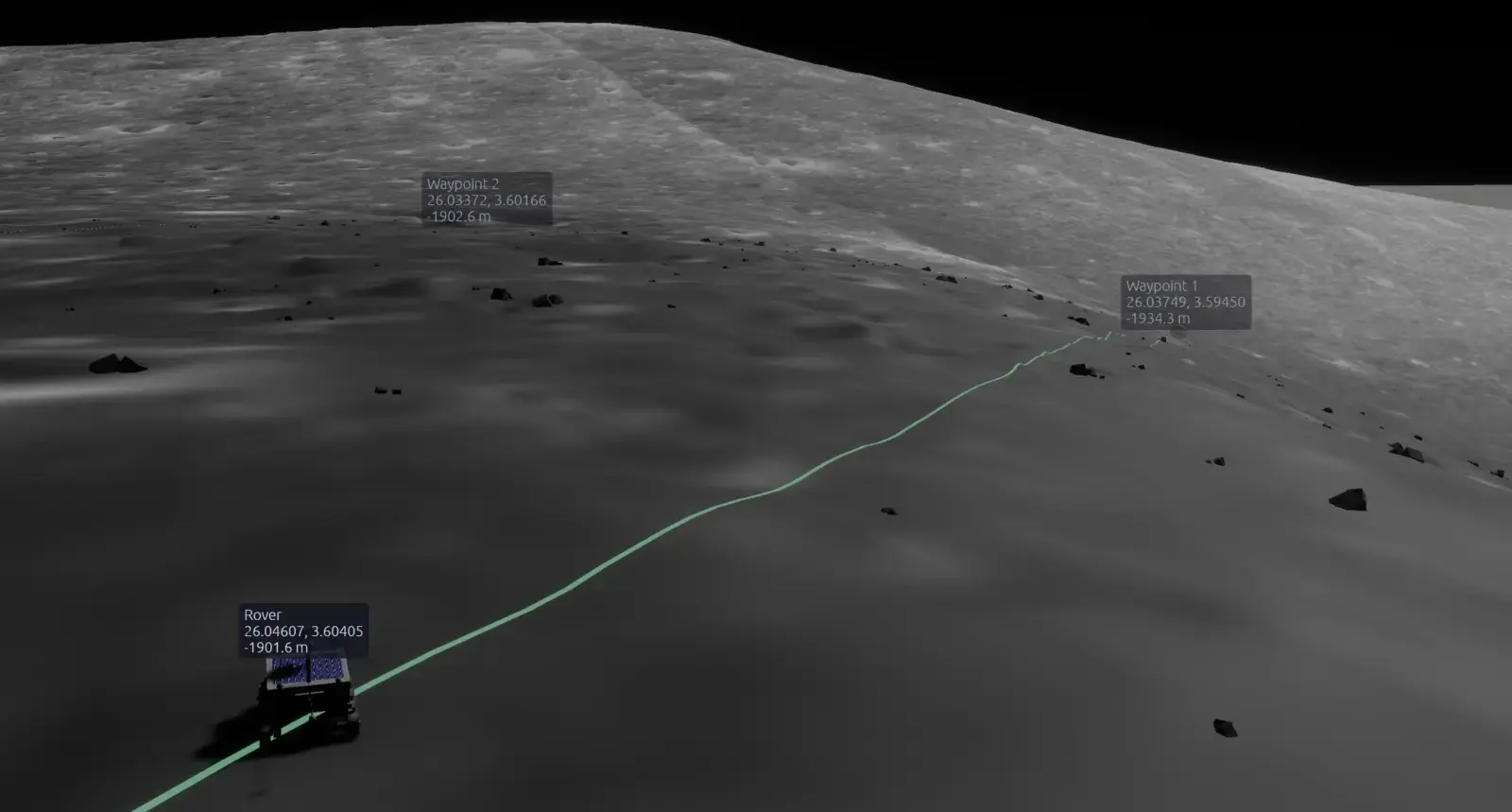
Why Subsystem Models Pass While the Mission Still Fails
The integration seams—interfaces, timing, and ownership—are where system-level simulation earns its place.
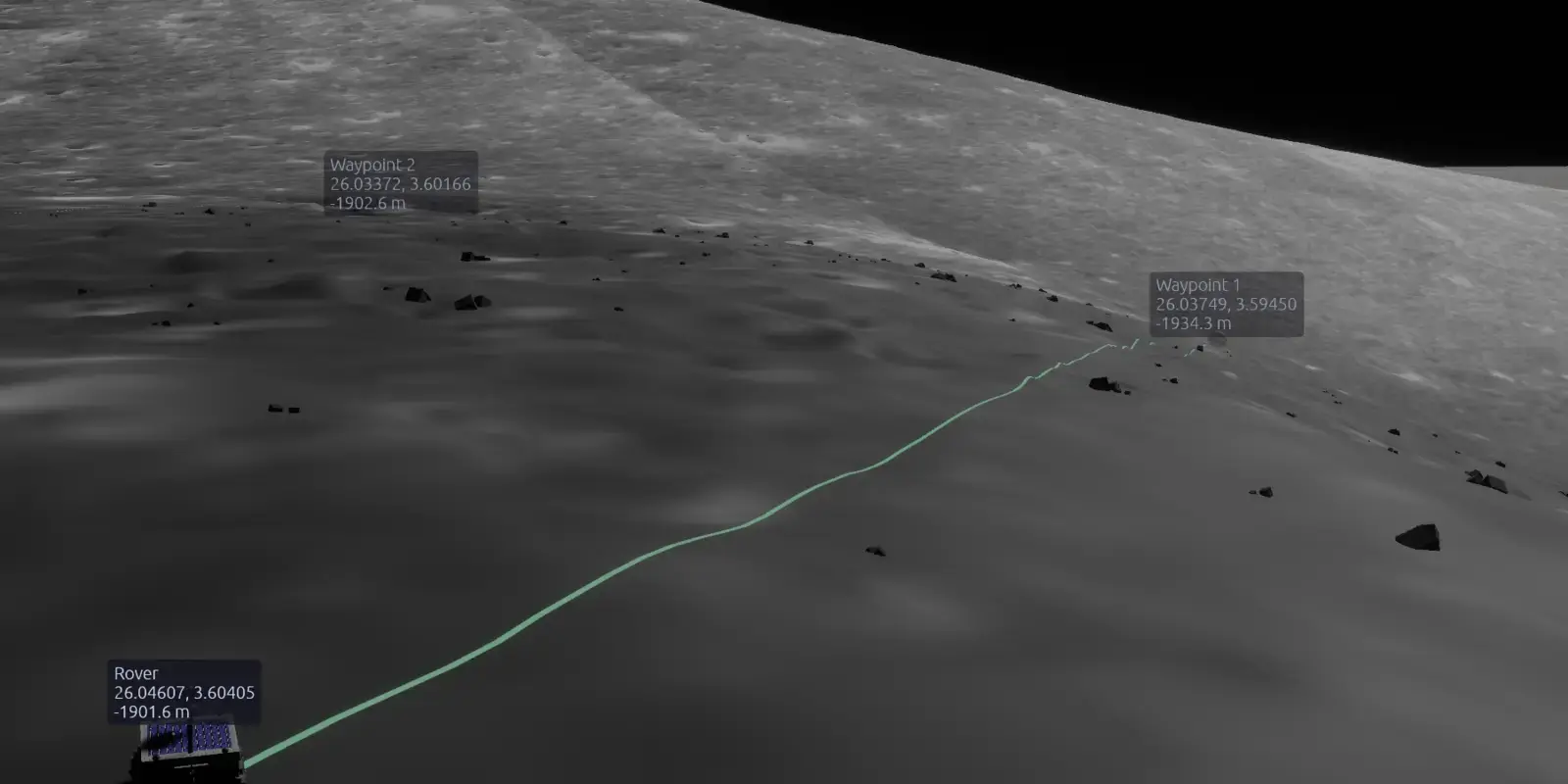
From CONOPS to an Executable Mission
How explicit events, mission policy, and observable state turn a concept of operations into a repeatable study.
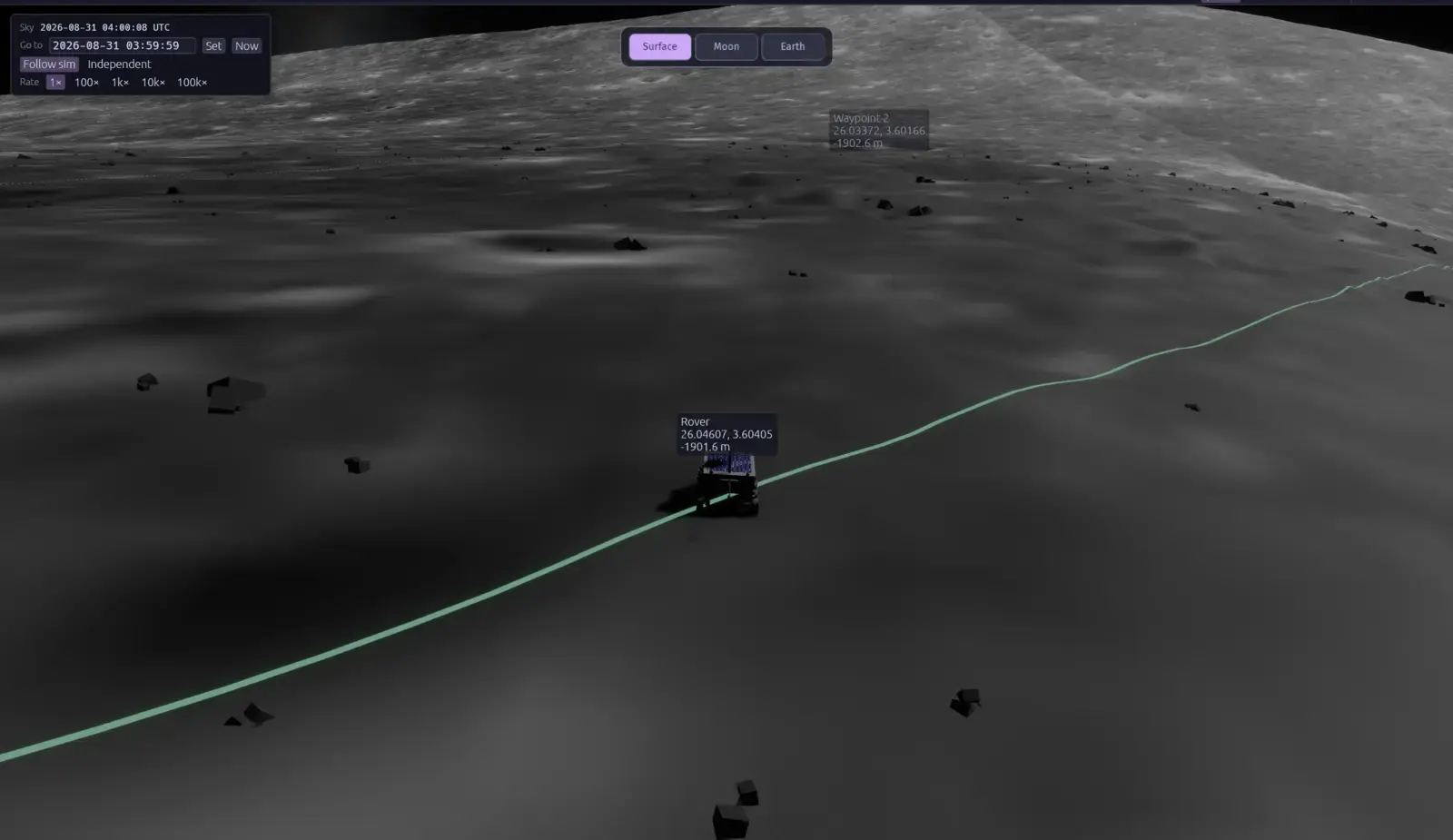
System-Level Simulation and Multiphysics Co-Simulation
A practical workflow for connecting subsystem models, rigid-body physics, and mission behavior.
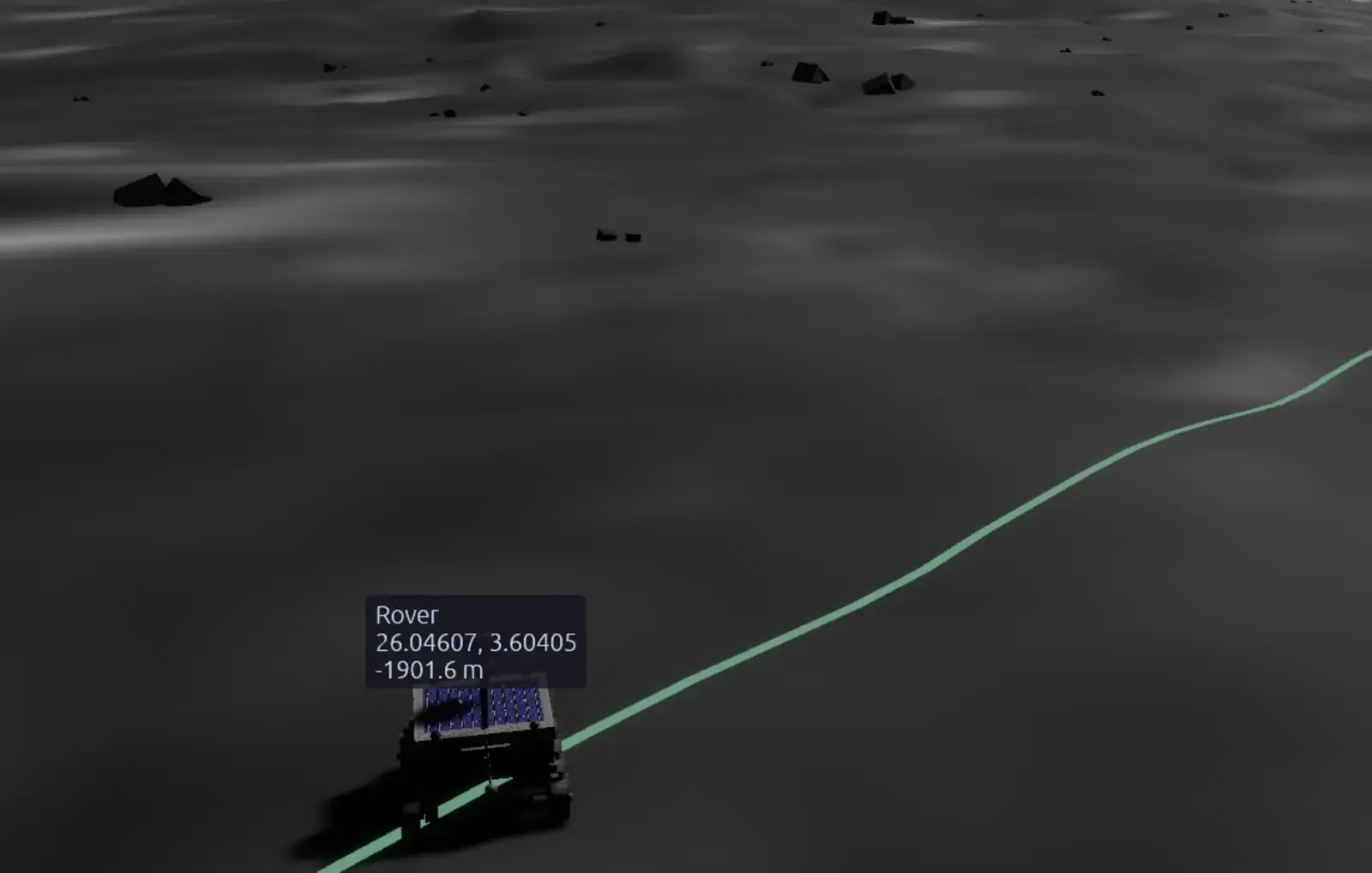
Space Robotics Simulation for Connected Missions
A space robot is more than a body in motion: connect mechanics, terrain, resources, autonomy, and operations around the mission decision.
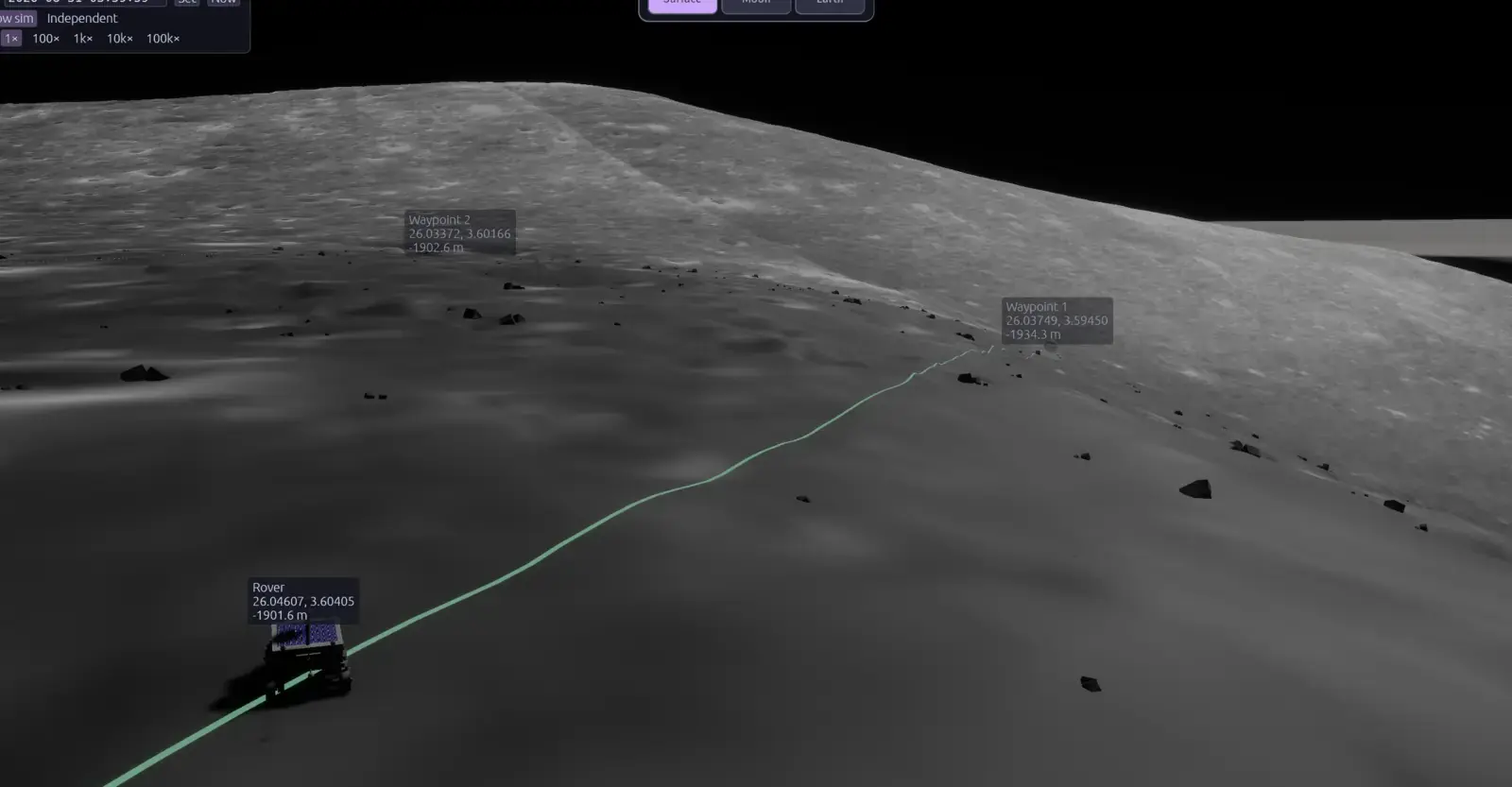
Why Space Robotics Needs System-Level Simulation
Robot dynamics are only one part of the mission. The route, resources, sensing, autonomy, and operators determine whether the system succeeds.
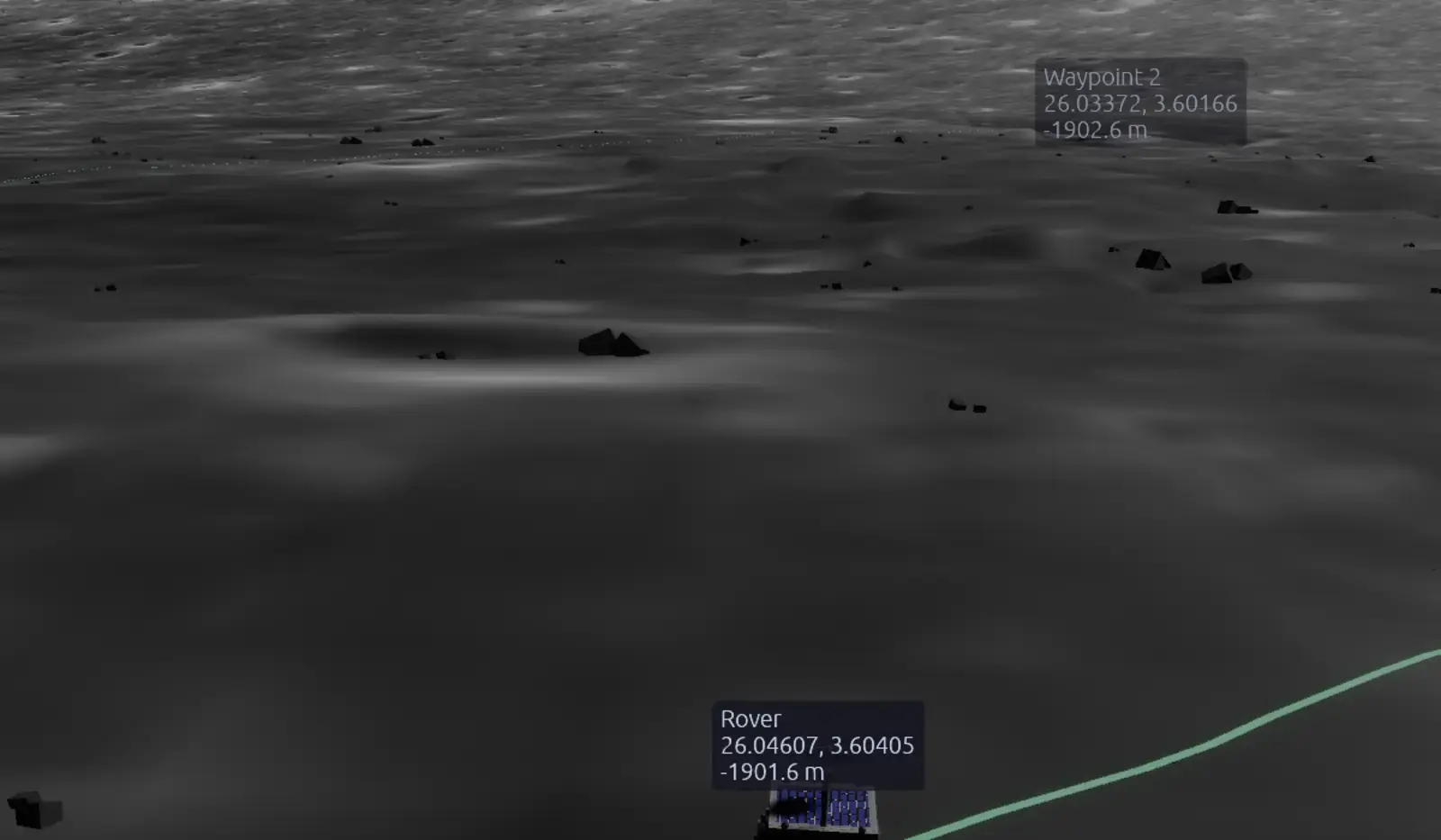
Lunar Surface Systems Simulation
How power, mobility, thermal behaviour, communications, logistics, and operations become a growing surface system.
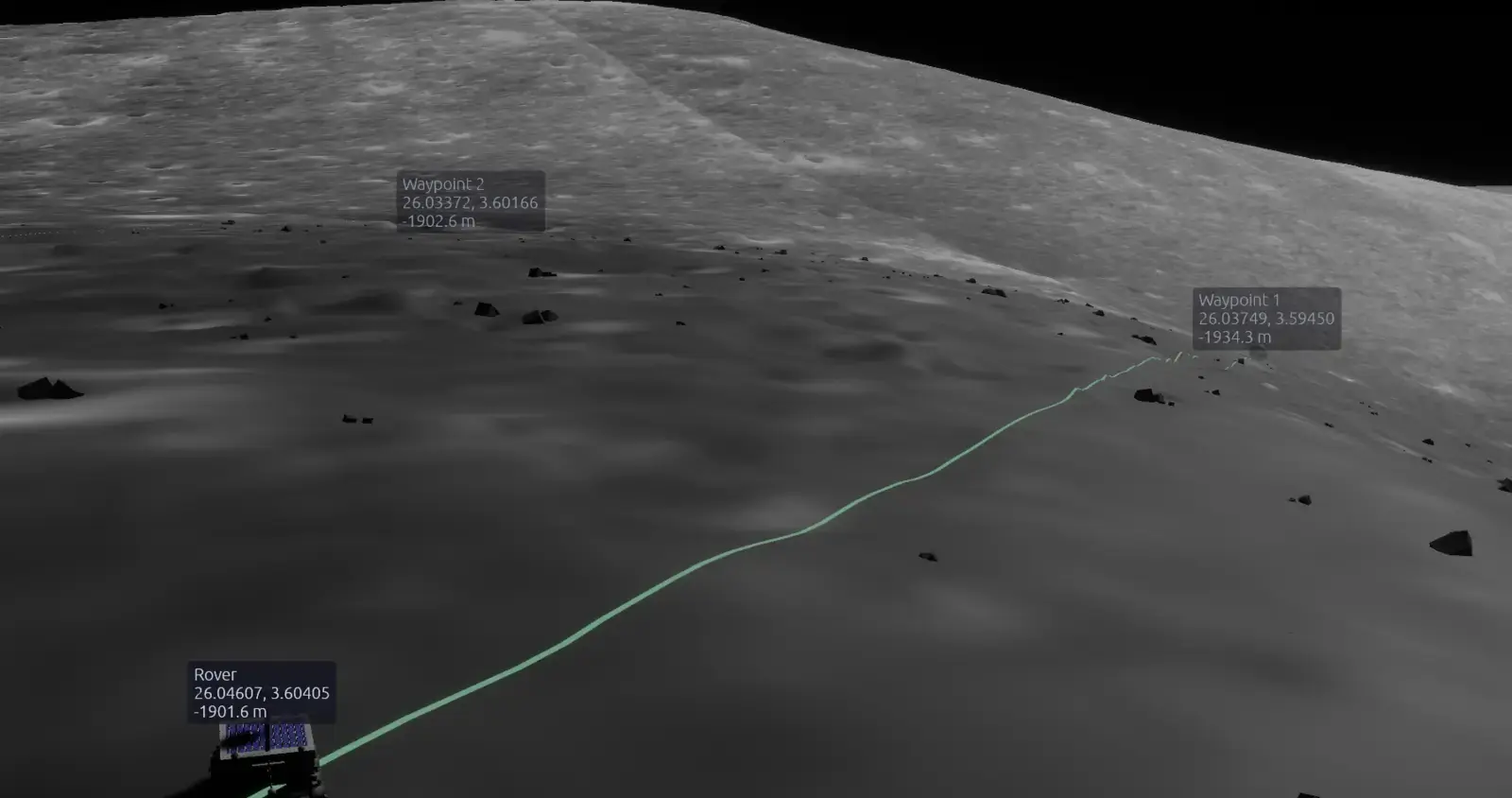
What Is System-Level Co-Simulation?
A practical guide to participants, ports, connections, timing, and the boundaries that make coupled models useful.
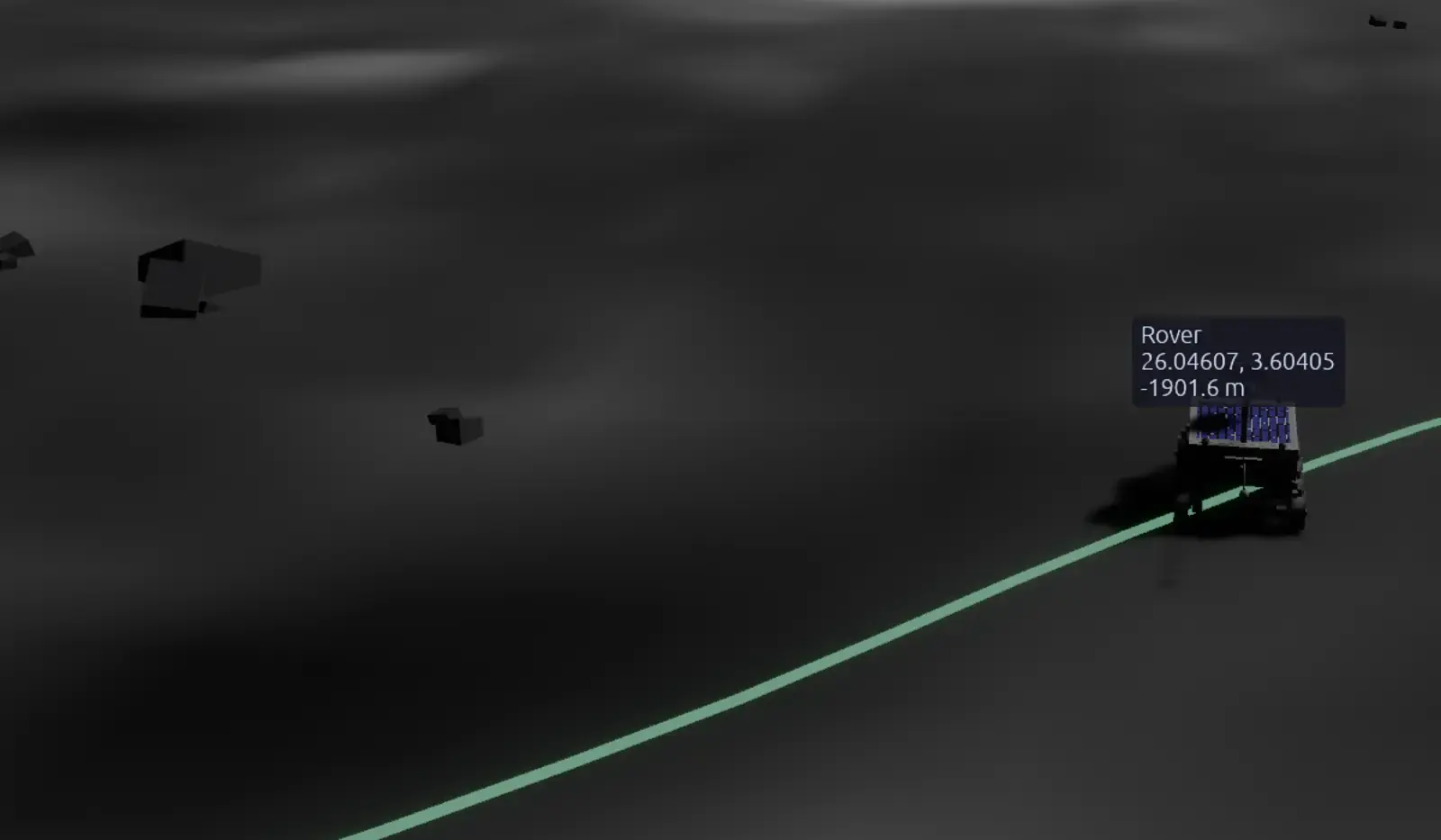
Power, Thermal Behaviour, and Mobility
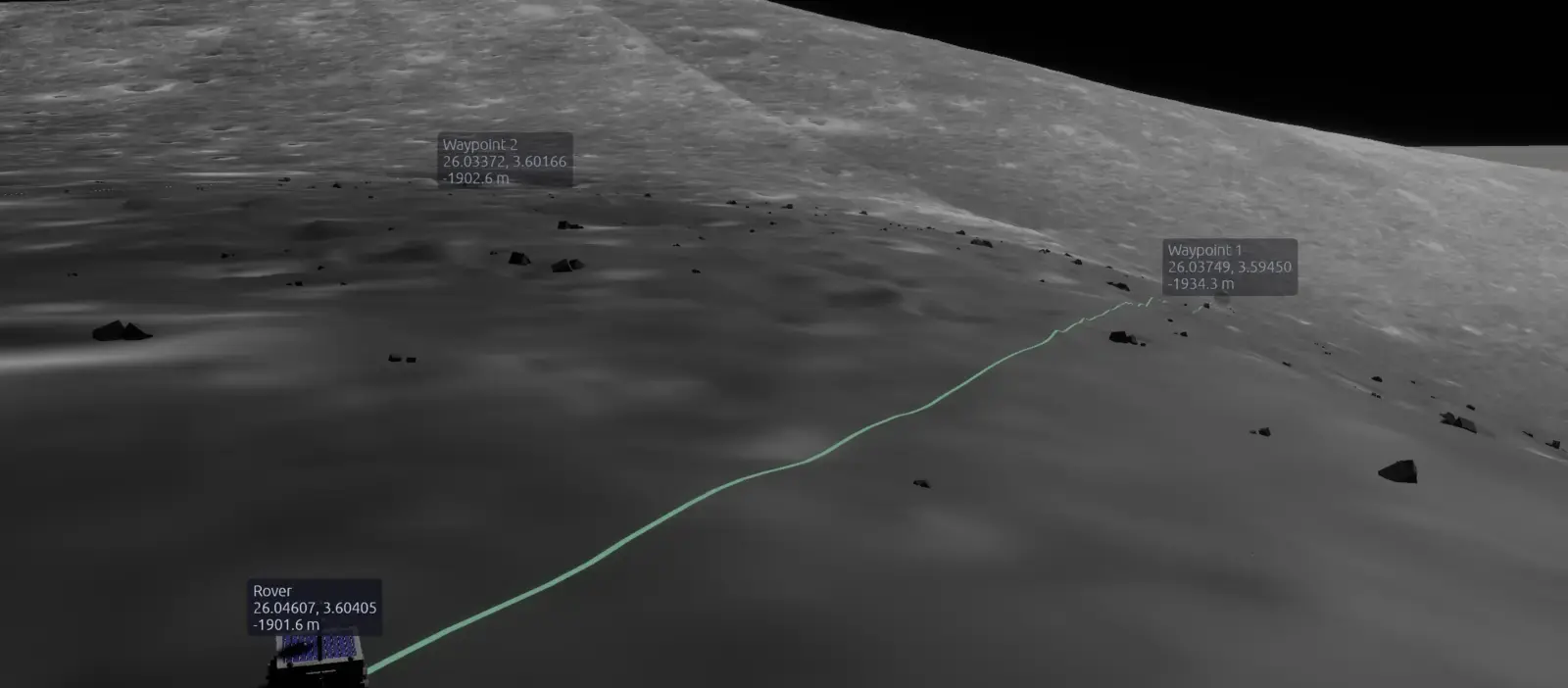
Why route planning becomes more useful when terrain, motor demand, energy state, heat, and operations are connected.
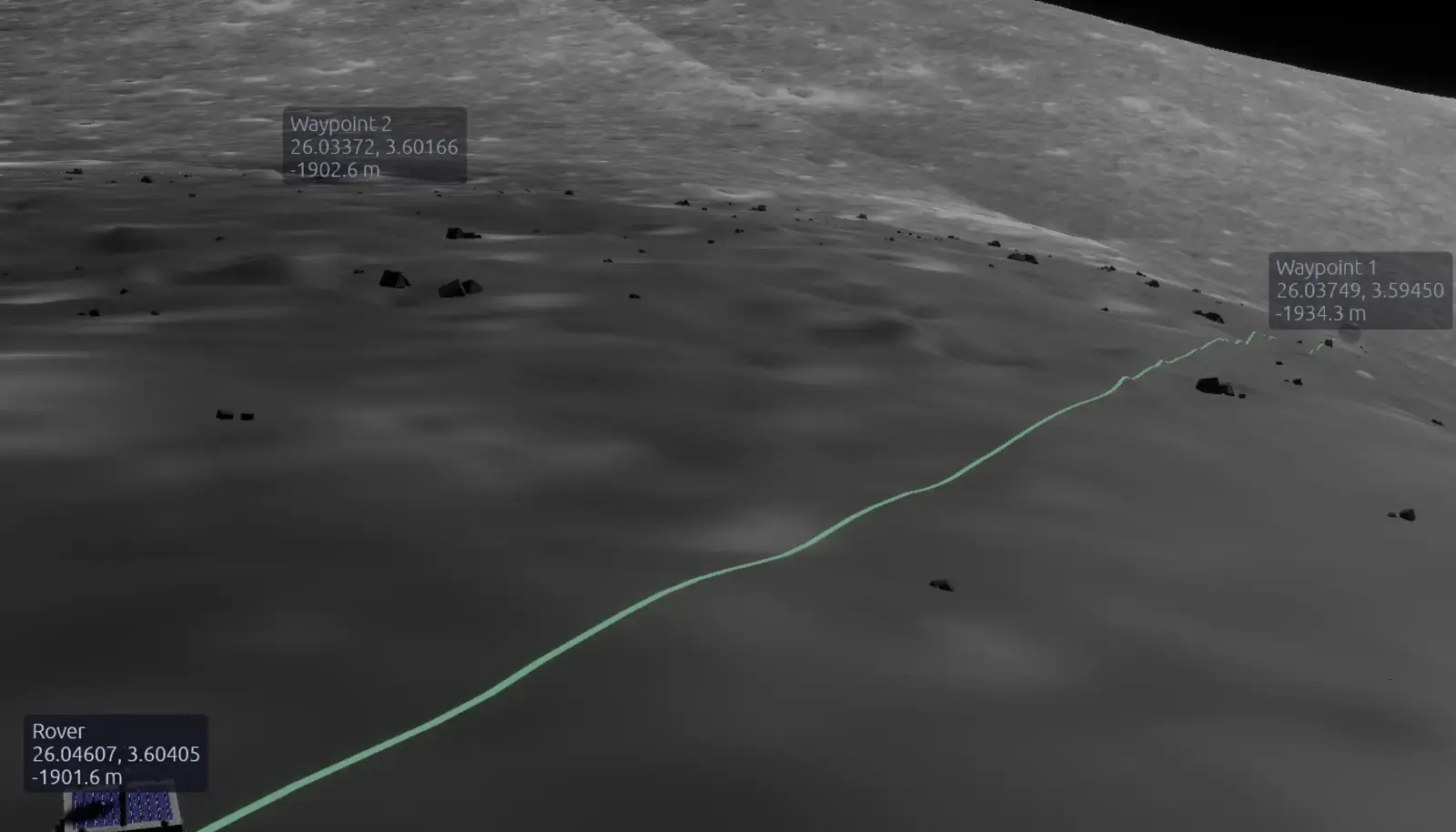
Simulation Traceability: From Model to Evidence
Connect a mission result to its topology, generated equations, inputs, events, telemetry, and assumptions.
Acausal Modelling vs Block Diagrams
How connection semantics and conservation laws change the way teams build reusable multiphysics system models.